Why Is Regular Maintenance Important?
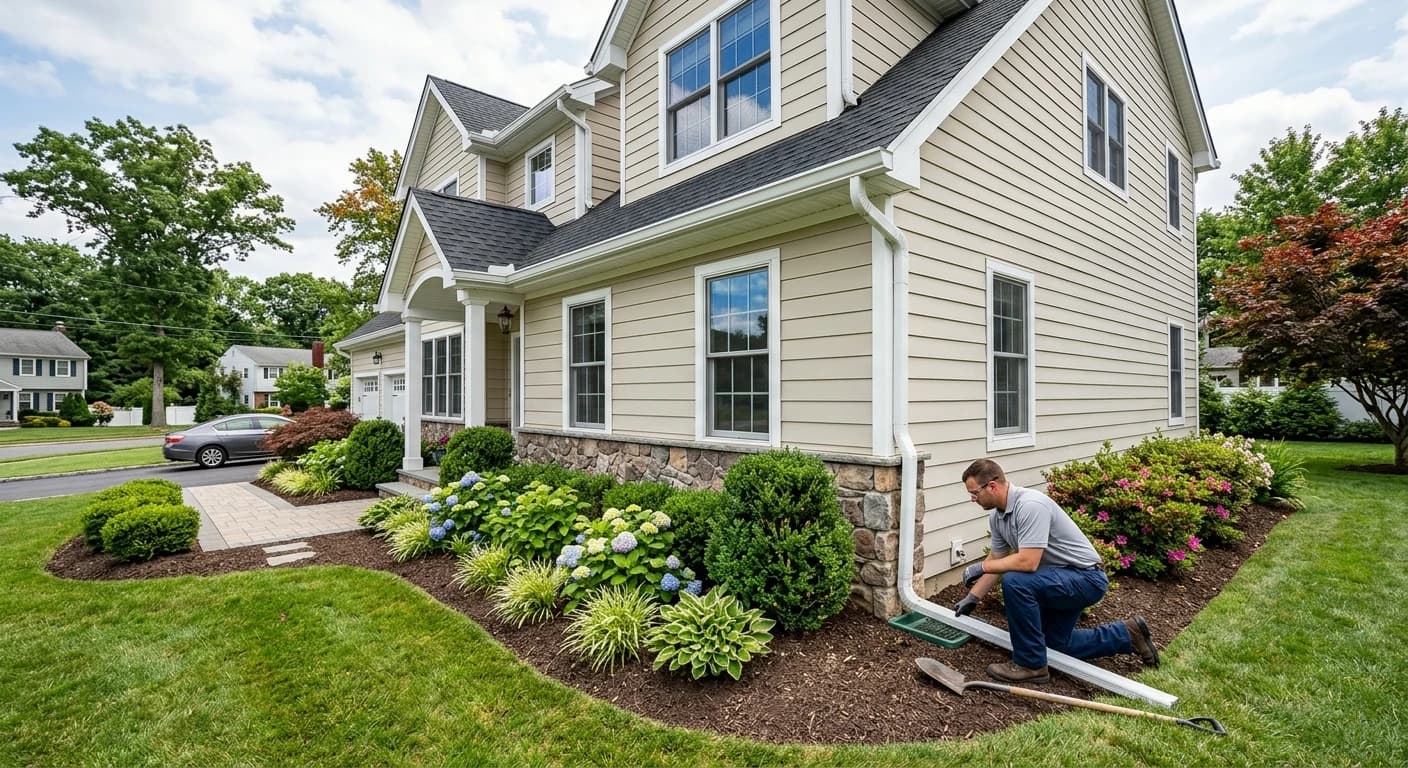
Regular maintenance is one of the best ways to prevent water damage. This includes inspecting and cleaning gutters, checking roof integrity, and ensuring proper drainage around your home. Gutters should be free of leaves and debris to prevent overflow and potential water damage to your roof and walls. Checking the roof for missing or damaged shingles can prevent leaks during rainstorms. Additionally, ensuring that water flows away from the foundation by grading the soil and using downspout extensions can protect your basement from flooding. Scheduling annual inspections with professionals can help identify potential issues before they escalate. By maintaining a proactive approach, you can significantly reduce the risk of water damage in your home. Furthermore, consider installing gutter guards to minimize debris accumulation and reduce maintenance frequency. Regularly inspecting your home's exterior, such as windows and doors for proper sealing, can also prevent water intrusion. In Paramus, NJ, where seasonal changes can be drastic, these preventive measures are particularly crucial.
How Can Landscaping Help?
Landscaping plays a crucial role in water damage prevention. Ensure that your yard slopes away from your home to direct water flow effectively. This technique, known as grading, helps prevent water from pooling around your foundation, which can lead to structural damage. Planting trees and shrubs strategically can also help absorb excess rainwater. Choose native plants that thrive in the local climate of Paramus, NJ, as they are more efficient at managing water. Installing French drains or swales can improve drainage and prevent water from pooling around your foundation. These systems redirect water away from your home, reducing the risk of basement flooding. Consider incorporating rain gardens, which are designed to collect and absorb runoff from roofs and driveways. For more landscaping tips, explore our services page. Additionally, using mulch in garden beds can help retain soil moisture and prevent erosion, further protecting your property from water damage.
What Role Do Appliances Play?
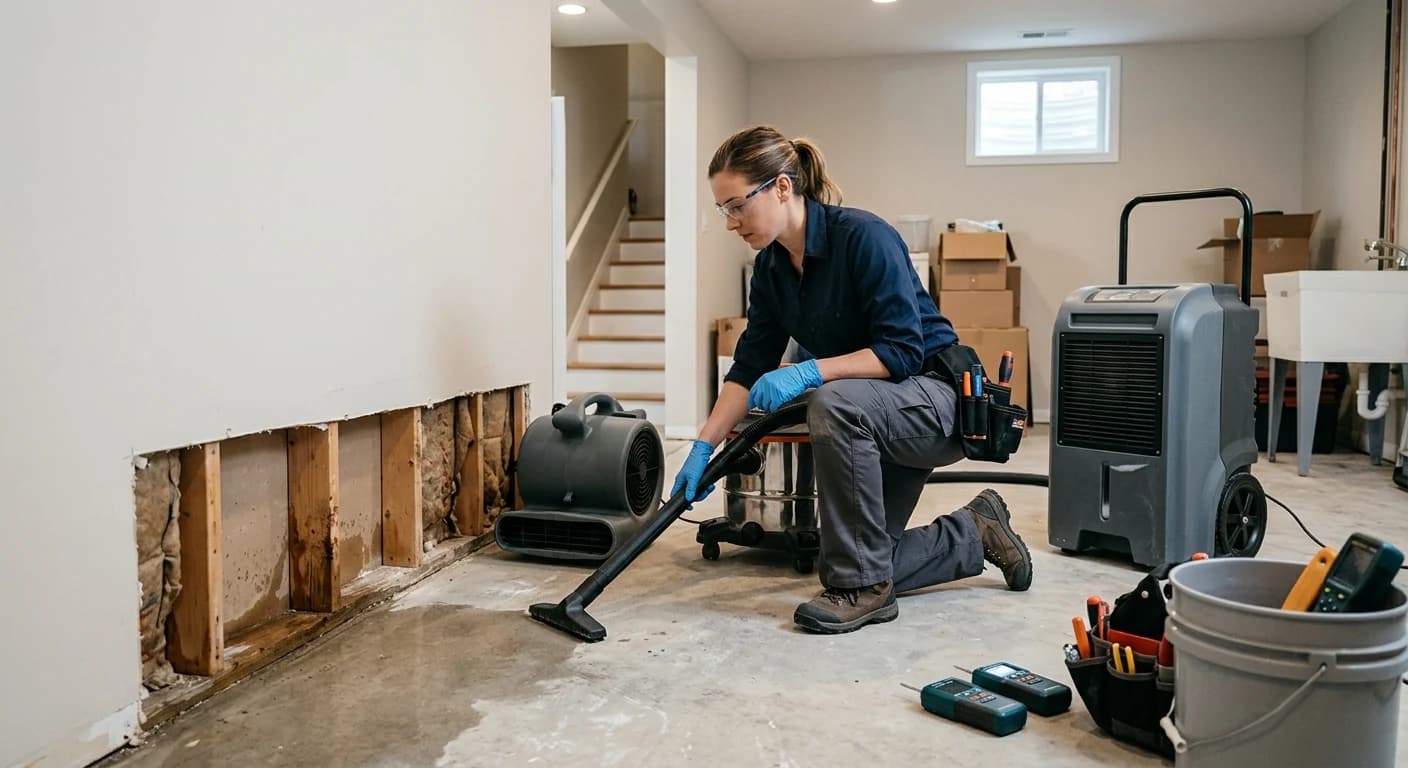
Appliances such as washing machines, dishwashers, and water heaters can be sources of water damage if not properly maintained. Regularly check hoses and connections for leaks, and replace them if necessary. It is advisable to use stainless steel braided hoses, which are more durable than rubber hoses. Install water alarms near these appliances to alert you of leaks early. These alarms can be placed on the floor near the appliance and will sound an alert if they detect moisture. Taking these precautions can help prevent unexpected water damage and extend the life of your appliances. Additionally, ensure that appliances are level and properly installed, as uneven surfaces can cause leaks or malfunctions. Routinely inspect the water heater for signs of rust or corrosion, and flush the tank annually to remove sediment buildup. In homes with older plumbing systems, consider installing a water pressure regulator to prevent excess pressure that can lead to leaks.
Why Is Proper Insulation Crucial?
Proper insulation is a key factor in preventing water damage, especially in colder climates. Insulation helps maintain indoor temperature, reducing the risk of condensation that can lead to mold growth and water damage. Ensure that your attic and walls are well-insulated to prevent warm air from escaping, which can cause ice dams on your roof during winter. Ice dams can lead to water seeping into your home, causing significant damage. Consider using spray foam insulation, which provides a better seal against moisture compared to traditional fiberglass insulation. Additionally, insulating pipes is essential to prevent them from freezing and bursting, especially during the cold months. Pipe insulation sleeves or heat tape can be used to protect vulnerable pipes. In areas like Paramus, NJ, where winters can be harsh, these measures are particularly important. Regularly check your home's insulation for any gaps or deterioration, and address these issues promptly to maintain a moisture-free environment.
How Can Smart Technology Assist?
Incorporating smart technology into your home can significantly aid in preventing water damage. Smart leak detectors and water sensors can be installed in high-risk areas such as basements, kitchens, and bathrooms. These devices alert you via smartphone notifications if they detect moisture, allowing you to address potential issues before they escalate. Additionally, smart water shutoff systems can automatically turn off the water supply if a significant leak is detected, minimizing damage. Consider investing in a smart home hub that integrates these devices for centralized control. Regularly update the software of these devices to ensure optimal performance and security. Smart thermostats can also help by maintaining consistent indoor temperatures, reducing the risk of condensation-related issues. By leveraging technology, you can monitor and manage your home's water use more effectively, giving you peace of mind and reducing the likelihood of costly repairs. These advancements are particularly useful in areas prone to seasonal weather changes, helping homeowners stay proactive in their water damage prevention efforts.
What Are the Benefits of Regular Plumbing Inspections?
Regular plumbing inspections are pivotal in preventing water damage in your home. By scheduling routine checks, you can identify potential issues such as leaks, corrosion, and blockages before they become significant problems. A professional plumber can assess the condition of your pipes, faucets, and fixtures, ensuring they are functioning correctly and efficiently. During an inspection, they will look for signs of wear and tear, such as rust or mineral buildup, which can lead to leaks or bursts. Replacing worn-out components promptly can save you from costly repairs down the line. Additionally, plumbers can check for hidden leaks that might not be immediately visible but can cause substantial damage over time. They can also assess the water pressure in your home, as high pressure can strain plumbing systems and lead to leaks. In older homes, inspections are especially crucial to ensure the plumbing system meets current standards and is free from outdated materials like lead pipes. By investing in regular plumbing inspections, you can maintain a healthy plumbing system and protect your home from unexpected water damage.
How Can Homeowners Prepare for Natural Disasters?
Preparing for natural disasters is an essential aspect of preventing water damage, especially in areas prone to severe weather conditions. Start by understanding the types of natural disasters that are most likely to occur in your region and how they can impact your home. For instance, in areas susceptible to hurricanes or heavy rainfall, reinforce your home's structure by installing storm shutters and strengthening doors and windows. Elevate appliances and electrical systems in the basement to prevent damage from flooding. Create a comprehensive emergency plan that includes evacuation routes and a communication strategy for your family. Keep essential documents and valuables in waterproof containers and store them in a safe location. Regularly review your homeowner's insurance policy to ensure it covers water damage caused by natural disasters. Consider purchasing additional flood insurance if necessary. Additionally, maintaining an emergency kit with supplies such as bottled water, non-perishable food, flashlights, and batteries can be invaluable during a disaster. By taking these proactive steps, homeowners can minimize the risk of water damage and ensure the safety of their property and loved ones.
How to Address Foundation Vulnerabilities?
Addressing foundation vulnerabilities is crucial in preventing water damage, as issues in this area can lead to significant structural problems. Begin by regularly inspecting your foundation for cracks or signs of shifting, which can allow water to infiltrate your home. Small cracks can often be sealed with epoxy or polyurethane, while larger issues may require professional evaluation and repair. It's also important to ensure that the soil around your foundation is properly graded to direct water away from your home. Installing a sump pump in your basement can provide an additional layer of protection by automatically removing water that accumulates during heavy rains. Regularly test the sump pump to ensure it functions correctly, especially before the rainy season. Additionally, consider installing a backup battery system for your sump pump to ensure it operates during power outages. Waterproofing the exterior of your foundation with a sealant can further prevent water intrusion. In regions like New Jersey, where weather can be unpredictable, taking these steps can significantly reduce the risk of water damage and maintain the integrity of your home's foundation.
What Are the Best Practices for Roof Maintenance?
Roof maintenance is a critical component in preventing water damage, as the roof is your home's first line of defense against the elements. Start by conducting regular inspections, especially after severe weather events, to check for missing or damaged shingles, as these can lead to leaks. Clean your roof periodically to remove debris, such as leaves and branches, which can trap moisture and cause decay. Pay particular attention to areas around chimneys, vents, and skylights, as these are common points of water entry. Ensuring that flashing is intact and properly sealed can prevent leaks at these vulnerable spots. Additionally, trimming overhanging tree branches can reduce the risk of damage from falling limbs and minimize debris accumulation. Consider installing a roof ventilation system to regulate temperature and moisture levels, which can extend the life of your roof. If your roof is older, consult with a roofing professional to assess its condition and determine if replacement is necessary. By adhering to these best practices, you can protect your home from water damage and avoid costly repairs in the future.